






Magnesium and zinc: the recovery duo, without the hype
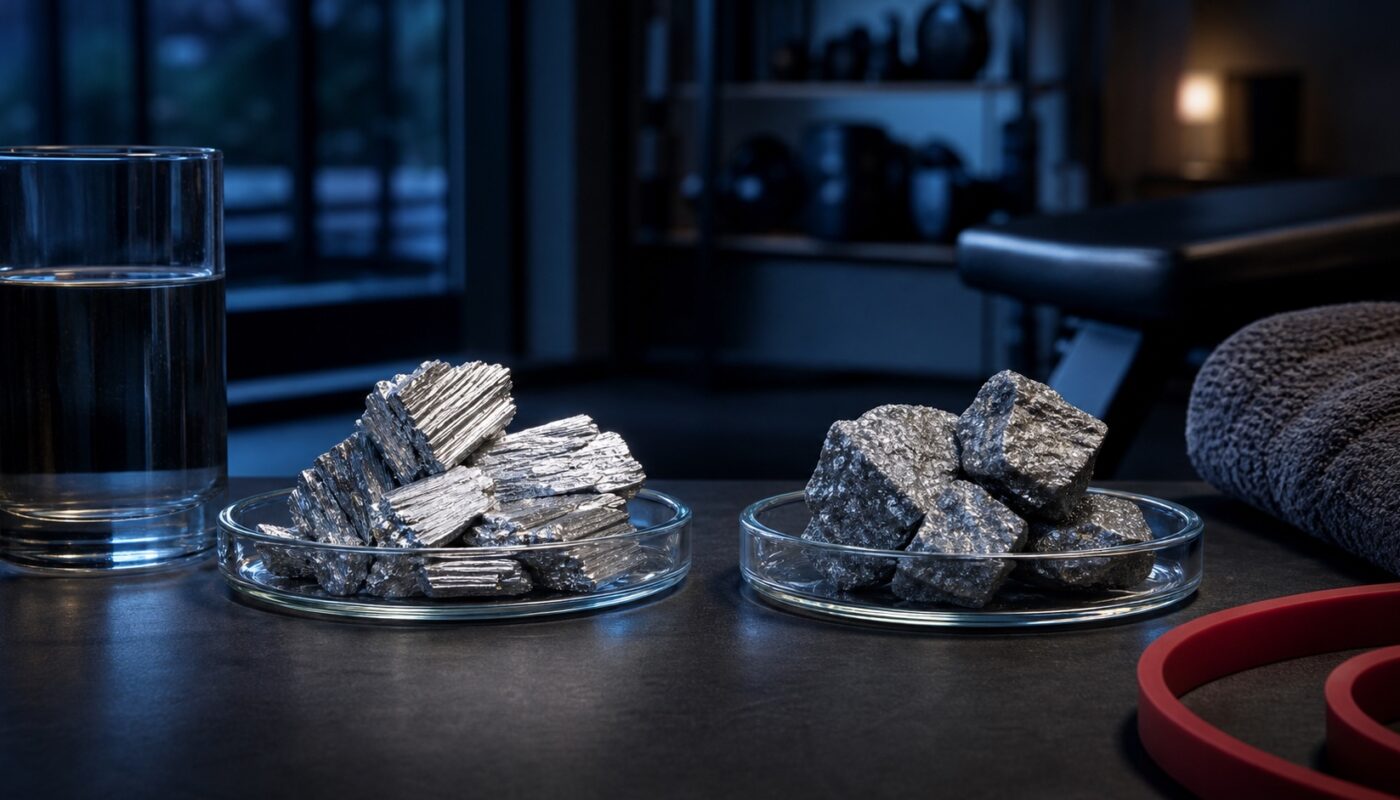
Magnesium and zinc are consistently mentioned in discussions about recovery and sleep. These are two minerals that do indeed play a role — provided you understand what you can expect from them.
Magnesium
It is involved in over 300 enzymatic reactions, including energy production and muscle contraction. European authorities recognise its contribution to normal muscle function, energy metabolism and the reduction of fatigue.
Dietary intake is often below recommended levels, particularly among athletes, who lose magnesium through sweat. Main sources: green vegetables, nuts, pulses, dark chocolate and magnesium-rich mineral waters.
The form makes all the difference
- Bisglycinate: very well tolerated, good absorption. The best choice by default.
- Citrate: good absorption, may have a laxative effect at high doses.
- Oxide: the cheapest, but poorly absorbed and often responsible for digestive problems.
Zinc
It contributes to the normal functioning of the immune system, the metabolism of macronutrients and the maintenance of normal testosterone levels in the blood. This last claim is often misinterpreted: zinc maintains normal levels in a person who is deficient. It does not raise levels above normal in someone with an adequate intake.
Beware of overdosing: over 25 mg a day taken over the long term, zinc interferes with copper absorption. More is not better.
And what about ZMA?
This is a combination of zinc, magnesium and vitamin B6, traditionally taken in the evening. Its reputation stems mainly from the improved sleep quality reported by users; evidence of performance gains remains limited.
This information is provided for guidance only and is not a substitute for the advice of a healthcare professional. If you have a medical condition, are undergoing treatment, are pregnant or breastfeeding, consult your doctor before taking any supplements.